
Why Technology Fails in Schools (An Educator’s Perspective)
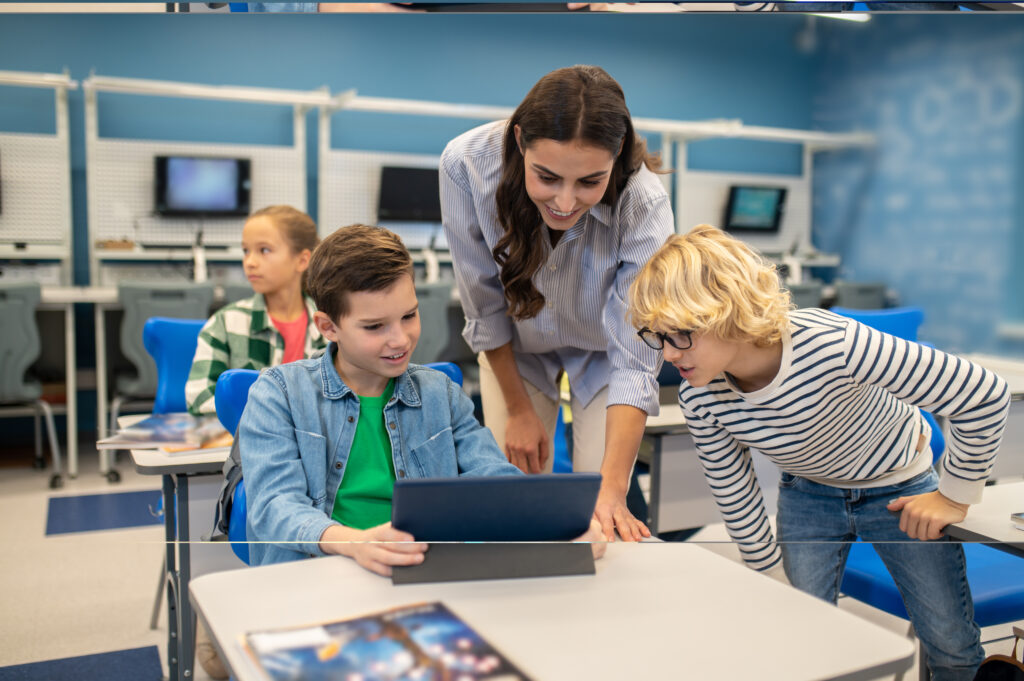
For years, I’ve heard the same explanation whenever a new technology fails to gain traction in schools: “Teachers are resistant to change.” Having spent years in real classrooms and worked with a range of new technologies, I’ve found that this explanation misses the real issue. From my experience, technology fails because many tools are designed without classroom reality in mind. Effective educational technology requires thoughtful adaptation by people who understand day-to-day teaching challenges. When technology is developed without that perspective, even well intentioned tools can miss the mark. What the Classroom Actually Looks Like A classroom is not a controlled demo environment. It’s a space where: When a tool adds even a small amount of friction, such as extra clicks, unclear workflows, or misaligned features, it quickly becomes unsustainable. Teachers are not saying “no” to innovation. They are saying “no” to additional cognitive load. Teachers Are Already Adapting, Constantly One of the biggest misconceptions about teachers is that they are static. In reality, teachers adapt every single day! If teachers were truly resistant to change, classrooms would not function at all. Where EdTech Often Misses the Mark Many tools are built with good intentions, but they are often designed: A tool that looks impressive in a presentation can become a burden at 8:30 a.m. on a Monday morning. What Actually Works in Schools From what I’ve seen, technology succeeds when it: Most importantly, it works when teachers feel the tool was built with them, not imposed on them. Why This Shaped How I Built Clarifyed Clarifyed was born out of this exact gap. After years in the classroom, I became deeply aware that schools don’t need more tools — they need better decisions about technology. Decisions that: My work today is guided by a simple principle: If a tool doesn’t make sense in a real classroom, it doesn’t belong in a school. A Final Thought Teachers are not the barrier to innovation in education. They are the bridge. When technology respects classroom reality, teachers don’t resist it, instead they champion it.